Approaches people ask us about most — what each involves, where it is offered, and what research has found so far. We link to the practitioners' own sites and to independent reviews so you can judge for yourself.
Use these alongside — not instead of — care from an oncologist.
Several of these approaches have been studied and have not been shown to cure cancer, and delaying proven treatment can cost lives. Always tell your cancer team what you are taking: some herbs and high-dose supplements interact with chemotherapy and radiation. Many major hospitals now run integrative oncology services that combine the two safely.
High-dose intravenous vitamin C
Vitamin C (ascorbic acid) given by IV drip reaches blood levels far higher than is possible by mouth. At these levels it acts as a pro-oxidant that can damage some cancer cells in the laboratory.
Blood cancers
Laboratory research published in 2017 found that vitamin C restores the activity of TET2, a gene often damaged in leukemia, and slowed leukemia in mice (Cell, 2017; Nature, 2017). Clinical trials are now testing vitamin C together with standard drugs for leukemia and myelodysplastic syndromes.
Early-phase studies suggest it is generally safe when given properly and may improve quality of life; it is not approved as a cancer treatment, and benefits against cancer itself have not been proven in large trials. Read the National Cancer Institute's summary: Intravenous high-dose vitamin C (PDQ).
Safety
Can be harmful for people with G6PD deficiency, kidney disease or iron overload (hemochromatosis); requires blood tests first. May interact with some chemotherapy drugs.
Ayurveda
India's traditional system of medicine uses herbal formulations, diet, detoxification (panchakarma), yoga and meditation to restore balance in the body. Herbs studied in cancer research include turmeric (curcumin), ashwagandha, tulsi (holy basil) and guduchi.
Several herbs show anti-cancer activity in laboratory studies, and yoga and meditation have good evidence for reducing fatigue, anxiety and improving sleep during treatment. There are no large clinical trials showing that Ayurvedic treatment alone cures cancer. Check individual herbs in Memorial Sloan Kettering's independent database: About Herbs.
Safety
Some herbs interact with chemotherapy, blood thinners or hormone therapy. Some traditional preparations (rasa shastra) contain metals such as lead or mercury — buy only from licensed manufacturers and tell your oncologist.
Kelley / Gonzalez enzyme protocol
Developed by Dr. William Donald Kelley in the 1960s and later adapted by Dr. Nicholas Gonzalez in New York. Treatment combines large doses of pancreatic enzymes (pig pancreas extract), a diet tailored to the patient's "metabolic type", nutritional supplements and detoxification routines including coffee enemas.
Where it is offered
Dr. Gonzalez died in 2015. Dr. Linda Isaacs, who worked with him for more than twenty years, continues the program.
What the evidence says
The National Cancer Institute funded a study in people with inoperable pancreatic cancer. Those who chose gemcitabine chemotherapy lived a median of 14.0 months, compared with 4.3 months for those who chose the enzyme protocol, and reported better quality of life (Journal of Clinical Oncology, 2010). Supporters point to individual case reports of long survival.
Safety
The regimen is demanding (often 150+ capsules a day). Frequent coffee enemas can cause dehydration, electrolyte imbalance and infection.
Videos
Practitioners, patients and supporters describe these approaches in their own words. These are personal accounts rather than clinical evidence; see each section above for what research has found. Videos play from YouTube and stay on their creators' channels.
▶ Watch on YouTubeOne Answer to Cancer — Dr. William Donald Kelley (rare interview)1 min · opens on YouTube (its owner doesn't allow playback on other sites)The Orthodontist Who Cured His Own Pancreatic Cancer - The Dr. Kelley StoryThe Nicholas Gonzalez Foundation · 54 min · YouTube
Several of these show how coffee enemas are done at home. Please read the Gerson safety notes above and talk to a doctor first.
Charlotte Gerson on Coffee Enemas [Gerson Institute Archive]Gerson Institute · 5 min · YouTubeCoffee Enema Benefits: LIVER, GALL BLADDER DETOXConfluence Nutrition · 8 min · YouTubeGerson Coffee ConcentrateSusan Resig · 14 min · YouTubeGerson Therapy: Diet, Coffee Enemas: BIG Results: Part 2Glenn TV · 17 min · YouTubeGerson Therapy: How to take a coffee enemaGreenTreeNymph · 19 min · YouTube
Boost Your Mental Strength | Herbal Secretes To Increase Brain MemoryHerbal Medicine by Yanung Jamoh lego · 2 min · YouTubeCure For Deadly Disease! | Ft. Padma Shri Yanung Jamoh Lego | Nisha YogeeshwarNisha Yogeeshwar · YouTubeIntroducing my YouTube Channel | Yanung Jamoh Lego | Folk Herbal HealerHerbal Medicine by Yanung Jamoh lego · 3 min · YouTube
Gerson therapy
Created by Dr. Max Gerson in the 1930s. It uses an organic, plant-based diet with about 13 glasses of fresh juice a day, potassium and other supplements, and coffee enemas, aiming to detoxify the body and restore the immune system.
Where it is offered
The Gerson Institute (San Diego) trains practitioners and lists licensed Gerson clinics, which operate outside the USA (e.g. Mexico, Hungary).
Serious side effects have been reported, including infections and dangerous salt and mineral imbalances from frequent enemas, and weight loss in people who are already ill.
Yanung Jamoh Lego — traditional herbal healer, Arunachal Pradesh
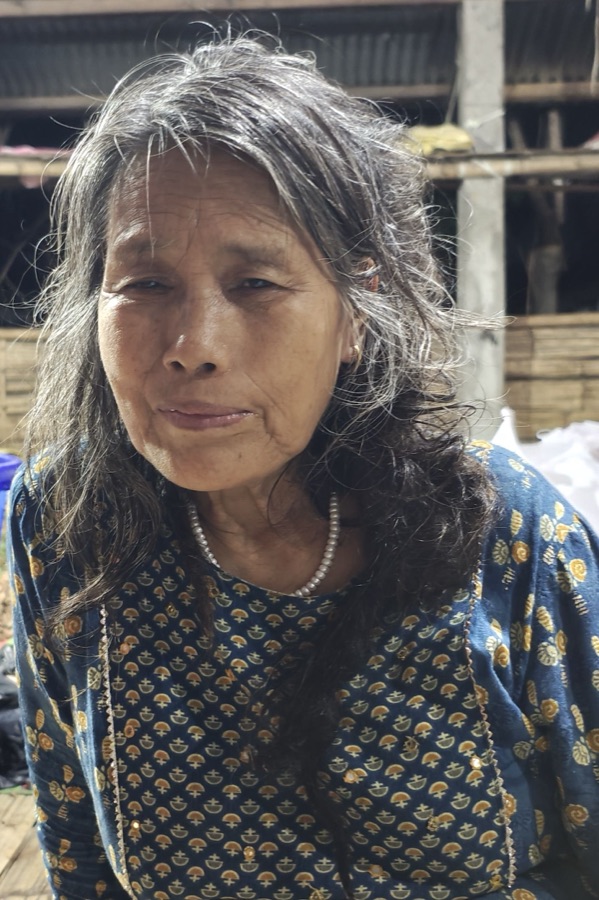
Yanung Jamoh Lego (born 1963) is a herbalist from Sika Todke village in East Siang district, Arunachal Pradesh, India, from the Adi tribal community. Her father was a well-known folk healer. She trained in herbal medicine for 15 years from 1981, holds Bachelor's and Master's degrees in Agriculture from Assam Agricultural University, and worked in the Arunachal Pradesh Agriculture Department from 1988 to 2023.
She opened her own clinic in 1995, reviving Adi folk-healing practices. News reports say she has treated more than 10,000 people (some put the figure far higher) for conditions including diabetes, hypertension, asthma, dengue, epilepsy and cancer. In 2009 she founded Indigenous Herbal Heritage to promote the growing of medicinal plants and teach people about them.
What people say about her
Officials honour her as a keeper of Adi tribal healing knowledge. On her Padma Shri, Arunachal Pradesh Governor K.T. Parnaik called it "an honour to our indigenous herbal medicine experts" (The Arunachal Times, 2024). The Indian Army's Sigar Military Station held a ceremony in her honour in 2025, and Prime Minister Modi has mentioned her on Mann Ki Baat (India Today NE, 2025).
Patients come to her clinic in Pasighat from across India and abroad — about 10–20 a day, for conditions including cancer, diabetes, hypertension and epilepsy. In her words: "Patients come to me from across India and even from abroad. I continue to devote myself to their healing and will also train the young generation."
Her community credits her with practical help: a village self-help-group leader says Lego's remedy helped her recover from malaria, and women in the self-help groups she started earn a living foraging and growing medicinal plants (BehanBox, 2025).
In her own words, "the solution to every disease lies in the jungle." She says cancer is linked to what people eat — "A man who eats chemicals will get cancer" — and that modern medicine is essential in emergencies, while natural medicine can heal when there is time. She treated patients free from 1995 to 2019 and says her work is open to researchers (NewsMeter, 2024).
Conservation is a recurring theme: she teaches people to pick leaves rather than uproot plants, runs nurseries, and warns that climate change and the loss of indigenous knowledge threaten medicinal plants. Scientists quoted in the same reporting note that traditional formulations are complex and have yet to be tested in clinical studies.
Recognition
SRISTI Samman (2007), Paramparika Vaidya Ratna (2013), Arunachal State Award (2019), and India's Padma Shri (2024) for her contributions to agriculture and herbal medicine.
Integrative oncology uses evidence-based complementary therapies — acupuncture, massage, yoga, meditation, nutrition counselling — together with standard treatment to ease side effects and improve wellbeing.
Information on this page is for education only and is not medical advice. Akal Cancer Research Foundation does not endorse any clinic or practitioner listed. Talk to a qualified doctor before starting, stopping or combining any treatment. Spotted an error? Let us know.